Hidden beneath the gravel of a quiet Japanese garden, there is sometimes a clay pot buried upside down, waiting for a single drop of water to fall into it. That drop lands, echoes inside the hollow chamber, and rises back up through the soil as a note that sounds uncannily like a bell, or a koto string plucked underwater. Gardeners in Japan have spent centuries designing spaces not just to be looked at, but to be listened to — and the result is one of the most quietly astonishing traditions in landscape design anywhere in the world.
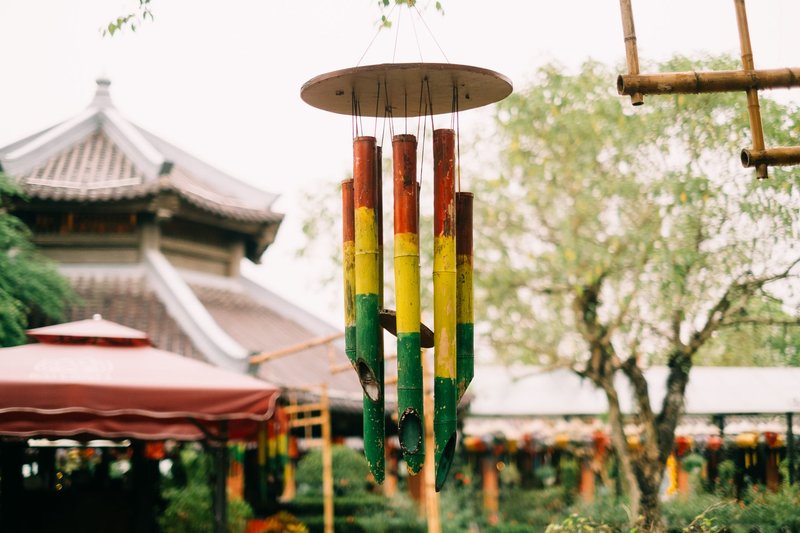
While there is no official body that crowns a single “most magnificent” sound garden, Japan is widely regarded as the birthplace and spiritual home of the sound garden concept — a place where wind, water, bamboo, and stone are arranged with as much care as a musical score. To understand why these gardens feel so extraordinary, it helps to understand the engineering hiding just beneath the surface.

What Exactly Is a Sound Garden?
A sound garden is a landscape deliberately designed so that natural forces — wind moving through leaves, water striking bamboo, air passing over stone — produce structured, pleasant, almost musical sounds. Unlike a Western fountain, which is usually built to look impressive, a Japanese sound garden is often built to be experienced with the eyes closed.
These gardens draw on centuries-old principles from Japanese tea ceremony culture, Zen Buddhist temple design, and traditional aristocratic gardens, where every element — a rock’s placement, the angle of a bamboo pipe, the depth of a pond — was chosen partly for its acoustic effect.
The Four Core Elements
- Water — dripping, trickling, or falling in controlled amounts to create rhythm
- Bamboo — hollow stalks that act as natural resonating chambers and percussion devices
- Wind — channeled through trees, chimes, and open pavilions
- Stone and earth — used to muffle, redirect, or amplify sound depending on placement
Combined thoughtfully, these elements turn a garden into something closer to a slow, ambient instrument than a static display of plants.
The Suikinkutsu: Japan’s Underground Bell
The most ingenious piece of acoustic engineering in any Japanese sound garden is arguably the suikinkutsu, which translates roughly to “water koto cave.” It’s a deceptively simple device: an upside-down ceramic or earthenware jar is buried beneath a hand-washing basin, with a small opening left at the top.
When a visitor rinses their hands at the basin — a customary purification step before entering a tea house or shrine — excess water drips down into the hidden chamber below. Inside that dark, enclosed space, each droplet strikes a shallow pool of water at the bottom of the jar, and the sound reverberates against the curved ceramic walls before escaping back up through the small opening in the ground.
The result is a faint, resonant plink that sounds remarkably like a bell or a stringed instrument being plucked — hence the reference to the koto, a traditional Japanese stringed instrument. Because the chamber is buried and largely sealed, the sound is soft, private, and easy to miss unless a visitor pauses and listens closely, which is exactly the point.
Why Bury the Sound?
Suikinkutsu were traditionally installed near the entrance to tea gardens, where guests would wash their hands before a tea ceremony. The hidden chime served as a kind of acoustic threshold — a signal, audible only to those who slowed down enough to notice it, that they were transitioning from the ordinary world into a more contemplative space.
Shishi-Odoshi: The Deer Scarer That Became Art
Another sound feature found throughout Japanese gardens is the shishi-odoshi, a bamboo mechanism originally built for a practical purpose: scaring deer and wild boar away from crops. The device consists of a bamboo tube balanced on a pivot. Water flows into the tube from a small spout above; as it fills, the tube tips forward, empties itself, and then swings back to strike a stone with a sharp, hollow knock.
That knocking sound was once meant to startle animals. Over time, garden designers realized the rhythmic, unhurried clack — repeating every several seconds as the bamboo slowly refills — was also deeply calming to human visitors. What began as pest control evolved into one of the signature sounds of Japanese garden design, prized specifically for how it breaks long stretches of silence at irregular, almost meditative intervals.
Wind, Bells, and the Sound of Empty Space
Where water instruments provide rhythm, wind provides melody. Many Japanese gardens incorporate furin, small glass or metal wind bells, hung from eaves or tree branches. Unlike Western wind chimes, which are often tuned to specific musical scales, furin are prized for their irregular, high-pitched tinkling — a sound closely associated in Japan with cooling relief during hot summer months.
Bamboo groves themselves are also acoustically significant. Because bamboo stalks are hollow and grow closely packed together, wind moving through a grove produces a distinctive hollow rustle and creak that differs noticeably from the sound of wind through broadleaf trees. Some gardens are designed specifically to funnel prevailing winds through dense bamboo corridors for exactly this effect.
The Role of Silence
It’s worth noting that not every celebrated Japanese garden is built around sound at all — some, like the famous rock garden at Ryoan-ji in Kyoto, are prized instead for their stillness and silence. Sound gardens exist in deliberate contrast to these quiet spaces, and many temple complexes include both: a hushed rock garden for meditation, and a separate water-and-bamboo garden nearby designed to gently fill the silence with natural rhythm.
How These Gardens Are Experienced
Visiting a well-designed Japanese sound garden is less like sightseeing and more like attending a very slow, very quiet concert. Paths are often narrow and winding, forcing visitors to walk slowly, which in turn gives them time to notice sounds they might otherwise rush past. Benches or resting stones are frequently placed near suikinkutsu basins or shishi-odoshi devices, inviting people to sit and simply listen for several minutes.
Many of these gardens are also seasonal in character. A pond that produces one kind of ripple sound in spring rain may sound completely different in winter, when frozen edges muffle the water’s movement. Garden designers have historically taken this into account, positioning sound features so that at least one of them remains active and audible throughout the year.
Tips for Listening Like a Local
- Visit early in the morning, when ambient city noise is lowest and natural sounds carry further
- Pause at any hand-washing basin — a suikinkutsu, if present, is often hidden right beneath it
- Stand still near bamboo groves during light wind rather than walking through them
- Listen for irregular rhythms, like the shishi-odoshi’s knock, rather than expecting a steady beat
A Different Way of Building Gardens
What makes Japan’s approach to sound gardens so remarkable isn’t any single device — it’s the underlying philosophy that a garden can be composed the way a piece of music is composed, with silence treated as seriously as sound. Water is not just decorative; it is timed. Bamboo is not just structural; it is tuned by nature’s own irregular rhythm. Wind is not simply weather; it is invited in and shaped by the layout of trees and open spaces.
Conclusion
Long before ambient sound machines and white-noise apps promised relaxation on demand, Japanese garden designers were achieving something similar with clay pots, bamboo tubes, and carefully placed stones. A Japan sound garden works precisely because it doesn’t rely on volume or spectacle — it rewards patience, rewards silence, and rewards the simple act of standing still long enough to hear what has been quietly happening all along.