Every morning, before most people have poured their first cup of coffee, one photographer is already crouched in the dirt, waiting. Not for a rare bird. Not for a bear or a fox. For squirrels. For six years straight, he has shown up to the same patches of woodland and park benches, camera in hand, chasing a subject most of us dismiss as a backyard nuisance.
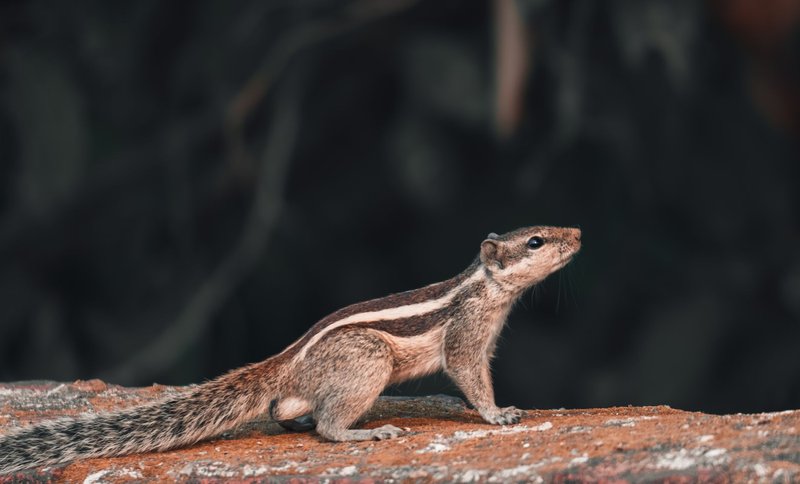
The result is a body of work that has quietly reshaped how people think about one of the most overlooked animals on the planet. What started as a casual hobby turned into a long-term obsession, and the photos that came out of it are strange, funny, tender, and occasionally jaw-dropping.

Why Squirrels, of All Animals?
It is a fair question. Squirrels do not have the majesty of a lion or the mystery of an owl. They are everywhere, which is exactly the point. The photographer has explained in interviews that squirrels appealed to him precisely because they are so common that people stop seeing them. He wanted to prove that familiarity does not have to mean boredom.
Unlike animals that require expensive expeditions or rare sightings, squirrels are accessible. They live in city parks, backyards, and forest edges within walking distance of millions of people. That accessibility became the foundation of the whole project: if you show up consistently, for years, even the most ordinary animal will eventually reveal something extraordinary.
The Power of Repetition
Photographing the same subject daily for six years is not a stunt. It is a discipline. The photographer has described his process as less about luck and more about patience layered on top of patience. Squirrels are fast, skittish, and unpredictable, but they are also creatures of habit. Over time, he learned their routines, their favorite trees, their feeding times, and even individual personality quirks.
That long runway of familiarity is what separates this collection from a lucky snapshot taken on a hike. Many of these images capture split-second behaviors that would be nearly impossible to catch without years of prior observation.
What Makes These 25 Photos Stand Out
Scrolling through the collection, a few themes emerge again and again. These are not just cute animal pictures. They are tiny stories, frozen mid-action, that reveal a surprisingly rich inner life.
Mid-Air Acrobatics
Several of the standout shots capture squirrels leaping between branches, legs fully extended, tails whipping behind them like tiny rudders. Squirrels are remarkably athletic, capable of judging distances and adjusting their body position mid-jump to stick a landing on a branch barely wider than a pencil. Freezing that moment requires both a fast shutter and an intimate understanding of when the leap is about to happen.
Expressive Faces
Some of the most shared images from the series are close-up portraits where the squirrel appears to be making direct eye contact with the camera, ears perked, cheeks stuffed, expression almost human. These shots work because they tap into something we do not expect from a rodent: personality. A raised eyebrow-like fold of fur, a half-open mouth, a curious tilt of the head — these small details make the animal feel like an individual rather than a generic critter.
Everyday Squirrel Behavior, Elevated
Not every photo in the collection involves dramatic action. Some of the best images simply show squirrels doing ordinary things: burying an acorn, grooming themselves, or sitting still in a beam of morning light. What elevates these shots is composition and timing rather than rarity. The photographer has a clear eye for framing natural light through leaves, using shallow depth of field to isolate his subject, and waiting for the exact moment an animal’s posture tells a story.
What the Project Teaches About Wildlife Photography
Beyond the entertainment value, this six-year project offers real lessons for anyone interested in photographing animals, wild or otherwise.
- Consistency beats equipment. While quality gear helps, the defining factor in this collection is time spent in the field, not the price tag of the camera.
- Local subjects can be endlessly interesting. You do not need to travel to exotic locations to find compelling animal behavior. Backyard wildlife, observed closely enough, is full of drama.
- Patience is a skill, not just a virtue. Learning an animal’s rhythms, feeding patterns, and preferred routes takes repeated observation, often over multiple seasons.
- Weather and light change everything. The same squirrel in the same spot looks completely different depending on the time of day and the season, and the best shots often come from returning to a familiar location under new conditions.
The Hidden Complexity of a “Simple” Animal
One of the quieter takeaways from this project is just how much behavioral complexity squirrels actually display once someone takes the time to look. They cache food in dozens of scattered locations and rely on memory and smell to relocate it later. They communicate through tail flicks and chirps that signal alarm or territorial disputes. They also engage in playful chasing behavior that looks remarkably similar to how puppies play.
Individual Personalities
Anyone who spends enough time observing a single population of squirrels starts to notice that they are not interchangeable. Some individuals are bold and will approach a camera out of curiosity. Others remain cautious no matter how many times they have seen the photographer before. This mirrors what many long-term wildlife observers report across species: individual temperament varies significantly, even within animals that look nearly identical to the untrained eye.
Why This Kind of Long-Term Project Resonates
Part of the appeal of this photo series is the story behind it as much as the images themselves. In an era of quick content and instant gratification, the idea of someone dedicating six consistent years to photographing squirrels feels almost countercultural. It suggests a kind of attention span and commitment that runs against the grain of how most people consume, and produce, content today.
There is also something comforting about the subject matter itself. Squirrels are not endangered, exotic, or tied to any particular crisis. They simply exist, all around us, largely unnoticed. This project functions as a reminder that meaningful creative work does not require a rare or urgent subject. Sometimes it just requires sustained attention to something ordinary.
A Model for Everyday Curiosity
The photographer’s approach also offers a broader lesson that extends beyond photography. Curiosity does not need permission to be pointed at something small. Choosing to take squirrels seriously as a subject, for years, is itself a quiet argument that anything can be worth studying closely if you give it enough time.
Conclusion
Six years, thousands of hours, and one endlessly patient photographer later, this collection proves that you do not need rare animals or far-flung locations to create striking wildlife photography. Sometimes all it takes is showing up, day after day, to watch something as ordinary as a squirrel until it stops being ordinary at all. The 25 photos that emerged from this project stand as proof that the most overlooked creatures often have the richest stories, if someone is willing to stick around long enough to notice.