A Rare Splash of Color in the Water
Somewhere along a quiet stretch of coastline, a pod of dolphins broke the surface, and observers watched something that almost never gets caught on camera: a pink dolphin calf swimming close to its mother. The sighting has traveled fast across nature-watching communities, and for good reason. These animals are famously rare, strikingly beautiful, and facing real threats to their survival. A new calf, healthy and visibly pink from birth, is being treated as a small but meaningful win for a species that badly needs one.
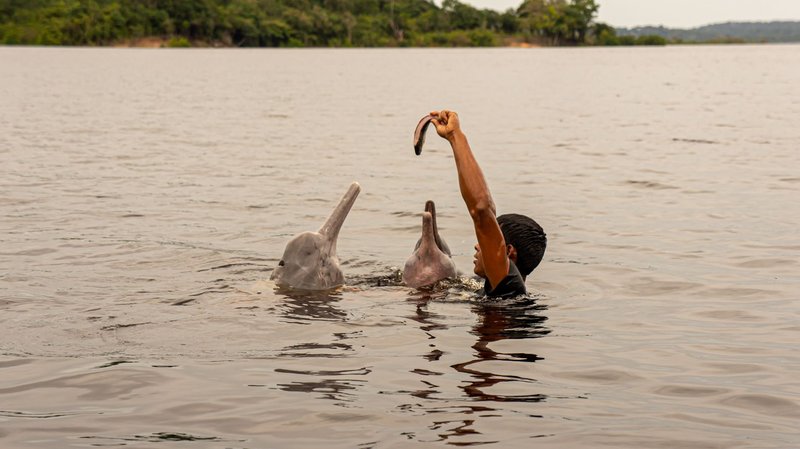
For most people, the idea of a pink dolphin sounds like something out of a storybook. But they are very real, and the science behind their color is just as fascinating as the sighting itself.
Why Are These Dolphins Pink in the First Place?
Unlike flamingos, which get their pink hue from pigments in the shrimp and algae they eat, dolphins turn pink for an entirely different reason. Their skin is naturally thin and translucent, which means blood vessels close to the surface can show through, giving the animal a rosy or pink appearance.
This effect tends to be more pronounced in certain populations, particularly those living in warmer, shallower waters. Several factors can influence just how pink an individual looks:
- Blood flow near the skin’s surface, which can intensify or fade depending on activity, temperature, and even emotional state
- Age, since calves and younger dolphins often appear more vividly colored before their skin thickens slightly with maturity
- Scarring, which can create blotchy or patchy pink areas where skin has thinned after healing
- Water temperature and sun exposure, both of which appear to play a role in flushing behavior similar to blushing
Interestingly, some individuals seem to flush pinker when excited or during social interactions, almost like a visible mood indicator. Scientists have observed this pattern in several populations, though the exact mechanism is still being studied.
Not Just One “Pink Dolphin”
It’s worth clearing up a common misconception: there isn’t a single species called “the pink dolphin.” The name is used informally to describe a few different populations around the world where unusually pale, pink-tinted individuals have been documented. Some live in river systems, while others inhabit coastal estuaries and shallow marine waters. What they share is that thin, translucent skin and a habitat that tends to be under heavy environmental pressure.
Why This Species Is Considered Endangered
Pink dolphins face a stacked set of challenges that make survival difficult, even before you factor in how slowly they reproduce. Female dolphins in these populations typically carry a single calf at a time, and calves require years of care before they’re independent. That slow reproductive rate means population recovery is naturally sluggish, even under ideal conditions.
Layer on top of that a list of very real environmental pressures:
- Habitat loss from coastal development, dredging, and shifting water systems
- Water pollution, including runoff and industrial contamination that affects prey availability and dolphin health
- Boat traffic, which increases the risk of collisions and disrupts feeding and resting behavior
- Fishing net entanglement, a persistent danger for dolphins that share waters with active fisheries
- Noise pollution, which can interfere with the echolocation dolphins rely on to navigate and hunt
Because these dolphins tend to stick close to coastlines and river mouths rather than open ocean, they’re almost always living in direct contact with human activity. There’s very little buffer zone between their world and ours, which is part of why conservationists watch these populations so closely.
Why Every Calf Sighting Matters
In a population already under stress, a single healthy birth carries outsized significance. Researchers and local observers use calf sightings as a kind of health check for the broader group. A calf swimming strongly alongside its mother suggests that at least some individuals are finding enough food, avoiding major injury, and living in water clean enough to support a newborn’s fragile early months.
It’s also a rare chance to study early development up close. Calves are typically born with the same thin skin as adults, but the pink coloring can look even more intense in the first weeks of life, before the skin has had time to thicken and toughen slightly with age and experience.
What Happens Next for the Calf
Dolphin calves generally stay close to their mothers for an extended period, nursing and learning essential survival skills like hunting techniques and social behavior within the pod. This early period is considered the most vulnerable stretch of a dolphin’s life. Predation, disease, and environmental hazards all pose a greater risk to young calves than to fully grown adults.
For a species already dealing with small population numbers, the survival of each individual calf into adulthood matters more than it might in a more abundant species. That’s part of why sightings like this one tend to generate so much attention: people want to know the calf makes it.
How Conservationists Are Responding
Wildlife groups and local researchers typically respond to a confirmed calf sighting by increasing monitoring in the area, watching for repeat appearances of the mother-calf pair to track growth and behavior over time. This kind of long-term observation helps build a clearer picture of survival rates, feeding patterns, and how human activity in the area might be affecting the pod.
In many regions, conservation efforts for these dolphins focus on straightforward but impactful measures:
- Establishing protected zones with speed limits for boats
- Reducing industrial and agricultural runoff into critical habitats
- Monitoring fishing practices to reduce accidental entanglement
- Public education campaigns to reduce disturbance from tourism and recreational boating
These efforts don’t guarantee a population rebound, but they create better odds for calves like this one to reach adulthood and eventually reproduce themselves.
A Small Moment With Big Meaning
It’s easy to see why a sighting like this spreads quickly. There’s something genuinely striking about spotting a bright pink animal gliding through the water, especially one so young and so rare. But beyond the novelty, this kind of moment offers a real, if modest, sign of hope for a species walking a difficult road.
No single birth solves the deeper challenges these dolphins face. Habitat pressures, pollution, and slow reproduction rates aren’t going away because one healthy calf was spotted. But for the people who study and protect these animals, every successful birth is a small piece of evidence that recovery is still possible, one calf at a time.